Preventive Dental Care by Age: Teens, Adults, and Seniors
Preventive dental care changes with age because the mouth, medical history, daily habits, and practical barriers change with age too. The core goal stays the same: lower the chance of decay, gum disease, pain, and tooth loss by matching home care and professional care to the risks most common in each life stage.
At a glance by life stage
- Prevention is not one fixed schedule. It is a risk-based plan that shifts as hormones, diet, stress, medications, restorations, and dexterity change.
- Teens often need help with plaque control around braces, sports protection, and sugar or acid exposure.
- Adults commonly benefit from attention to grinding, dry mouth, gum health, and the condition of existing fillings, crowns, and implants.
- Seniors may need more support for root decay risk, medication-related dry mouth, denture or implant maintenance, and easier cleaning tools.
What prevention looks like at every age
Good prevention still starts with the ADA oral health recommendations: brush with fluoride toothpaste, clean between the teeth daily, limit frequent sugar exposure, and see a dentist often enough to catch change early. What changes is how those basics are adapted to the person.
A preventive visit may include a review of symptoms, gum health, dry mouth, bite wear, restorations, and tissue changes. That is why two people on the same calendar interval can leave with different advice.
If you are trying to make sense of a changing plan, think in terms of risk. A low-risk mouth may stay routine for long stretches, while a mouth with bleeding, repeated cavities, appliance buildup, or exposed roots may need more support.
The preventive priorities that matter most in the teen years
Teenagers often look healthy dentally while the real risks sit in the details: sports trauma, soda or energy drink exposure, inconsistent brushing, and plaque retention around brackets, wires, or retainers.
If braces or aligners are in the picture, plaque control becomes more technical. Meals on the run, skipped nighttime brushing, and elastic wear can change how often plaque sits on enamel. That is one reason a family reading about what to do when your breath still smells bad after brushing should also look at hygiene quality, not just mouthwash or gum.
Teens also benefit from a conversation about injury prevention and erupting wisdom teeth. When bleeding, swelling, or sensitivity does not settle with better cleaning, the plan may shift from routine prevention to a more targeted exam.
- Ask if the teen's brushing and flossing method works around braces, bonded retainers, or crowding.
- Review drink patterns, especially frequent sipping of sweetened or acidic beverages.
- Bring up sports or activities where a custom mouthguard may reduce injury risk.
- Mention recurring bleeding, bad breath, or gum tenderness instead of assuming it is "just braces."
How adult prevention changes once stress, restorations, and dry mouth enter the picture
For adults, prevention becomes less about eruption and more about maintenance. Existing fillings, crowns, night guards, implants, recession, and bite wear all need review, along with medications, tobacco, reflux, and dry mouth.
Stress-related clenching is a common reason a routine visit stops feeling routine. If you have new sensitivity at the gumline, flattened tooth edges, or jaw fatigue, the discussion may overlap with issues covered in why gums can recede from overbrushing, clenching, or disease. In that setting, prevention may mean changing brushing pressure, protecting teeth at night, or monitoring recession more closely.
Adults with repeated decay, exposed roots, or dry mouth may need tools beyond standard brushing, such as stronger fluoride support, a different cleaning aid, or closer review.
Why senior oral care often needs a different toolkit
Older adults may face challenges that have little to do with effort and a lot to do with biology and practicality. The NIDCR guidance for older adults explains that medication burden, arthritis, vision changes, exposed roots, and denture or implant care can all affect daily prevention. The job is not only to keep teeth clean, but to make that cleaning realistic.
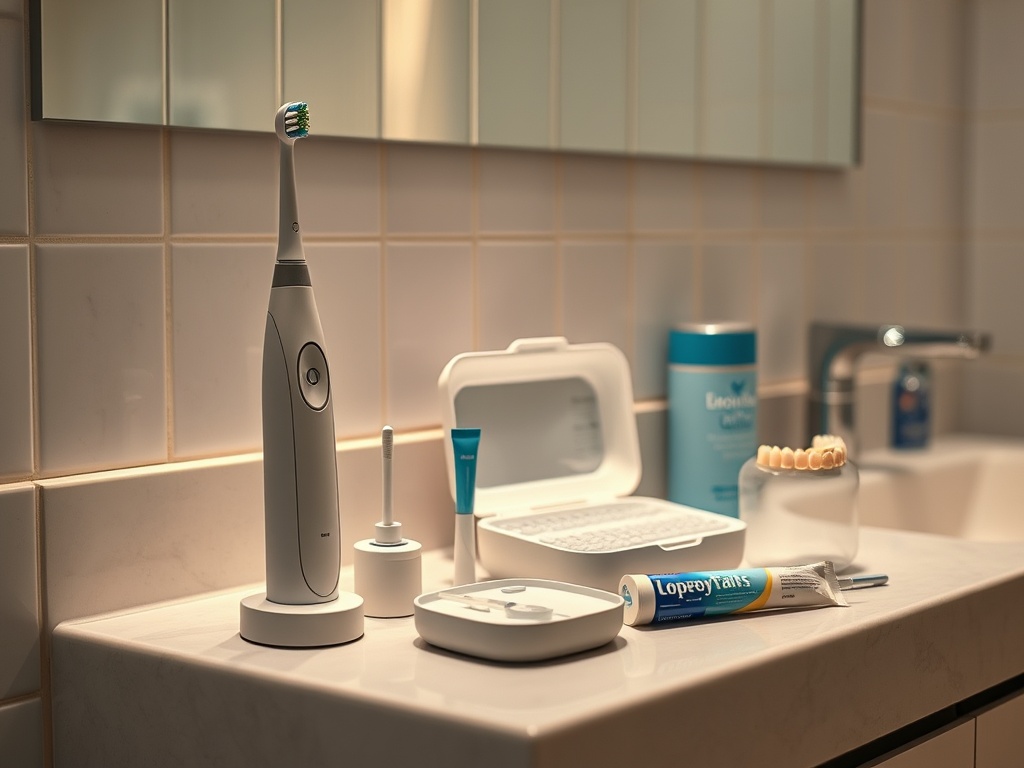
That may mean switching to a larger-handled brush, powered toothbrush, interdental aid, water flosser, fluoride rinse, or caregiver-supported routine. Denture wearers need tissue checks and cleaning habits, not just storage advice.
A plan should also reflect the difference between a healthy, independent older adult and someone managing multiple chronic conditions. The mouth does not age in one uniform way, so prevention should not be presented as one-size-fits-all either.
| Life stage | Common risk shifts | What prevention may emphasize |
|---|---|---|
| Teens | Braces, sports injury, inconsistent hygiene, sugary or acidic drinks | Technique coaching, mouthguards, gum checks, early monitoring of erupting teeth |
| Adults | Grinding, restorations, stress, dry mouth, gum changes | Wear monitoring, fluoride support when needed, night-guard discussion, restoration maintenance |
| Seniors | Medication-related dryness, exposed roots, dexterity limits, dentures or implants | Simpler tools, root-caries prevention, prosthesis maintenance, caregiver support when needed |
Questions About Preventive Dental Care by Age
Preventive care stays routine when there are no signs of active disease and home care is keeping up with the mouth's current risks. It stops being routine when repeated bleeding, a bad taste, new root sensitivity, food trapping, loose dental work, cracked teeth, or deepening pockets appear.
Book a routine dental visit if you need a review of habits, tools, or recall timing. Seek earlier attention if you have swelling, pus, fever, facial pain, trouble opening the mouth, a tooth that feels mobile, or pain that keeps waking you. Those are no longer just prevention questions; they may need diagnosis and treatment.
Questions About Preventive Dental Care by Age During Planning
For Preventive Dental Care by Age, this part of Questions About Preventive Dental Care by Age During Planning focuses on the symptom history, previous treatment, current medicines, and the result the patient values most when maintenance is discussed, with the same details verified after the examination is explained. The clinician should also explain which examination finding supports each recommendation and what information could change it for Preventive Dental Care by Age during the initial review, using the examination and health history rather than a general assumption. Recording that explanation gives the patient a clearer next step for Preventive Dental Care by Age when maintenance is discussed, especially when follow-up duties are reviewed after the examination is explained.
Questions worth raising at the next checkup
A useful preventive appointment starts with specific questions: Has my risk changed since last year? Are my gums stable? Is my brushing too aggressive or not effective enough? Do my medications dry my mouth? Is my current interval still appropriate? Those questions usually lead to better guidance than asking only how often you should get a cleaning.
If your age, health, or home routine has changed recently, schedule a preventive review and ask for a plan that fits your current risks rather than the one you had years ago.
Key Takeaways for Preventive Dental Care by Age
For Preventive Dental Care by Age, this part of Key Takeaways for Preventive Dental Care by Age focuses on the diagnosis, patient goal, treatment limits, and maintenance burden while comfort and function are assessed, with the same details verified after the examination is explained. The clinician should also explain the difference between temporary support, definitive care, routine questions, and urgent signs for Preventive Dental Care by Age while recovery expectations are clarified, using the examination and health history rather than a general assumption. Recording that explanation gives the patient a clearer next step for Preventive Dental Care by Age while comfort and function are assessed, especially when follow-up duties are reviewed after the examination is explained.
Clinical Checks for Preventive Dental Care by Age
When evaluating Preventive Dental Care by Age: Teens, Adults, and Seniors, the dentist should explain how medical history, previous treatment, bite forces, and tissue health affect the recommendation. Before accepting a plan for Preventive Dental Care by Age: Teens, Adults, and Seniors, request a plain-language explanation of what would make the diagnosis or treatment sequence change as the treatment sequence is documented. A sound decision about Preventive Dental Care by Age: Teens, Adults, and Seniors begins with the findings that can be seen, measured, photographed, or confirmed on dental imaging.