What to Do When Your Breath Still Smells Bad After Brushing
If your breath still smells bad after brushing, the problem is often not the toothbrush itself but the source of odor. Lingering bad breath can come from the tongue, gum disease, dry mouth, cavities, appliances that trap debris, or a non-dental issue such as sinus disease or reflux.
Fast checks before you blame the toothpaste
- Short-lived breath odor after coffee, garlic, or waking up is common. Breath that returns quickly after brushing deserves a closer look.
- Tongue coating, plaque buildup, dry mouth, gum infection, and poorly cleaned retainers or dentures are frequent dental causes.
- Temporary help may come from tongue cleaning, flossing, hydration, and cleaning appliances, but those steps do not fix cavities, gum pockets, or infections.
- Seek prompt dental care for swelling, fever, loose teeth, bleeding gums, pus, severe pain, or a bad taste that keeps returning.
Why brushing alone may not solve the smell
Brushing only cleans some of the places odor can start. The Mayo Clinic overview of bad breath notes that food debris, tobacco, plaque, dry mouth, mouth infections, and some nose or throat problems can all contribute. A clean-looking smile does not rule out bacteria sitting on the tongue, in gum pockets, or around crowded teeth.
One common blind spot is the tongue. Its uneven surface holds debris and odor-producing bacteria, so a person may brush well and still miss the main source. Another is dry mouth. The NIDCR dry mouth guide explains that saliva helps wash away food particles and keeps harmful germs in check. When saliva drops, odor often gets worse.
The most likely dental causes to consider first
Start with the causes that are most common and most fixable. Plaque buildup between the teeth, gum inflammation, coated tongue, a cavity that traps food, and dental appliances that are not cleaned thoroughly are all high on the list. If your gums bleed when you floss or your breath smells sour or metallic, gum disease should move higher on the suspicion list.
Bad breath can also be the first clue that your routine is not matching your mouth's needs. Someone who recently started noticing bleeding or sensitivity may benefit from reading why gums can recede from overbrushing, clenching, or disease because irritated gums and exposed root surfaces can make odor and sensitivity travel together.
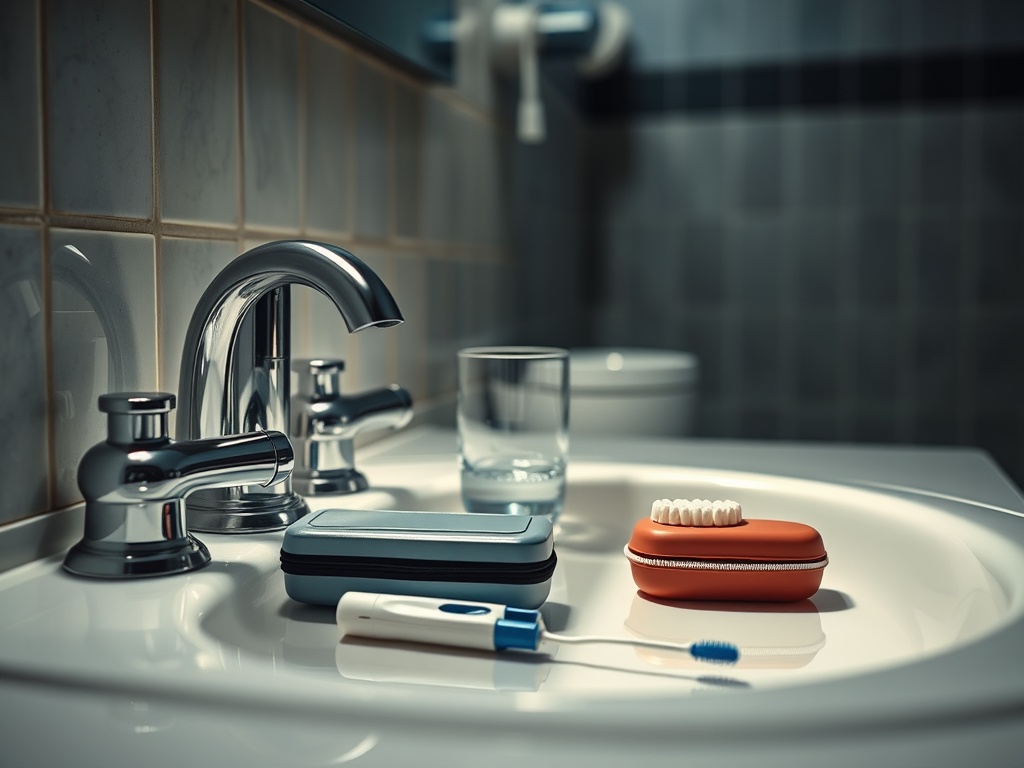
Retainers, dentures, night guards, and aligners deserve special attention. If they are worn daily but only rinsed, biofilm can stay on the appliance and reintroduce odor every time it goes back in the mouth.
- Tongue coating or morning breath that improves only briefly after cleaning
- Bleeding gums, food trapping, or floss that comes out with odor
- Dry mouth from medicines, mouth breathing, or dehydration
- Retainers, dentures, or guards that develop a stale smell between cleanings
What can help tonight, and what home care cannot fix
Short-term steps can lower odor while you arrange care. Brush the teeth, gently clean the tongue, floss or use an interdental cleaner, drink water, and clean any removable appliance according to your dentist's instructions. Sugar-free gum may help if dryness is part of the problem because it can stimulate saliva for some people. These steps are especially useful after meals or first thing in the morning.
They are still temporary if the real issue is an untreated cavity, periodontal disease, chronic dry mouth, or a mouth or throat infection. Mouthwash can make the breath seem fresher for a while, but it should not become a substitute for diagnosing the source. That is also why broad advice about preventive dental care by age matters here: the right recall schedule and home-care tools often prevent recurrent odor from becoming a cycle.
Signs the source may be beyond the teeth and gums
A dentist will usually start by looking in the mouth, because many cases begin there. Still, persistent odor can also point to tonsil stones, sinus drainage, reflux, tobacco exposure, or another medical issue. If a dentist does not find a clear oral cause, they may suggest that you speak with your primary care clinician or an ear, nose, and throat specialist.
The pattern matters. Breath that changes with meals is different from odor that lingers all day, a bad taste with swollen gums, or foul breath tied to thick postnasal drip. A good exam helps separate what can be managed with better hygiene from what needs a different workup.
Comparing Options for Breath Still Smells Bad Brushing
Book a routine dental visit if your breath has stayed bad for a few weeks, if you need help checking your technique, or if you think an appliance or dry mouth may be involved. Go sooner if you have tooth pain, bleeding or swollen gums, facial swelling, fever, pus, a loose tooth, trouble swallowing, or a sudden bad taste that will not clear. Those signs can suggest active disease, not just an inconvenience.
Questions About Breath Still Smells Bad Brushing
For Breath Still Smells Bad Brushing, this part of Questions About Breath Still Smells Bad Brushing focuses on the symptom history, previous treatment, current medicines, and the result the patient values most before consent is finalized, with the same details verified after the examination is explained. The clinician should also explain which examination finding supports each recommendation and what information could change it for Breath Still Smells Bad Brushing before treatment is scheduled, using the examination and health history rather than a general assumption.
Clinical Checks for Breath Still Smells Bad Brushing
For Breath Still Smells Bad Brushing, this part of Clinical Checks for Breath Still Smells Bad Brushing focuses on confirmed findings, measurements, imaging, and health-history factors when the follow-up plan is written, with the same details verified after the examination is explained. The clinician should also explain what remains uncertain and whether another test or specialist opinion would alter the plan for Breath Still Smells Bad Brushing as the long-term result is reviewed, using the examination and health history rather than a general assumption. Recording that explanation gives the patient a clearer next step for Breath Still Smells Bad Brushing when the follow-up plan is written, especially when follow-up duties are reviewed after the examination is explained.
How to make the appointment more useful
Before your visit, note when the odor is strongest, whether anyone else notices it, what medicines you take, and whether flossing causes bleeding or smell. That detail helps your dentist decide if this is mostly a hygiene issue, a gum problem, a dry-mouth problem, or something outside the mouth.
If fresh breath keeps lasting only a short time after brushing, book an exam aimed at the cause rather than buying another rinse and hoping the pattern goes away.
Timing and Recovery for Breath Still Smells Bad Brushing
Planning What to Do When Your Breath Still Smells Bad After Brushing also means discussing effects on work, school, travel, eating, driving, exercise, and caregiving responsibilities. Before scheduling What to Do When Your Breath Still Smells Bad After Brushing, ask how delays, missed visits, or slower healing could change comfort, cost, and the final result as the treatment sequence is documented. The timeline for What to Do When Your Breath Still Smells Bad After Brushing should include diagnosis, preparation, treatment, healing, adjustment, and maintenance rather than only the main appointment.
Planning Notes for Breath Still Smells Bad Brushing
The urgency of What to Do When Your Breath Still Smells Bad After Brushing depends on how quickly symptoms are changing and whether swelling, fever, trauma, bleeding, or loss of function is present. For What to Do When Your Breath Still Smells Bad After Brushing, breathing difficulty, swallowing difficulty, spreading facial swelling, or uncontrolled bleeding requires prompt professional attention while comfort and function are assessed.