Orthodontics Before Veneers or Implants: Sequencing Matters More Than Patients Think
In many complex cosmetic and restorative cases, sequencing matters as much as the final procedure. Orthodontics is sometimes the first move because it can create safer spacing, better bite forces, and more predictable positions for veneers or implants, which means less drilling, fewer compromises, and a cleaner long-term result.
Planning points in one view
- Orthodontic movement can improve spacing, root position, bite relationships, and restorative access before veneers or implants are planned.
- Starting veneers or implants too early can lock in tooth positions that later need correction or force more aggressive preparation.
- Not every patient needs orthodontics first, but many adults benefit from a consult before irreversible cosmetic or implant work begins.
- The best plan often involves coordinated input from a general dentist, orthodontist, and restorative dentist or prosthodontist.
Why sequencing changes the quality of the final result
Patients often focus on the finish line: straighter-looking teeth, a repaired smile, or a missing tooth replaced. Dentists have to think about the route as well. If teeth are crowded, flared, rotated, or biting in a destructive pattern, restorations placed too early may look acceptable at first but create maintenance problems later.
The AAO adult orthodontics overview explains that orthodontic treatment is not only cosmetic. In adults, it can also improve function, make cleaning easier, and reduce wear patterns that affect restorative planning. That is why some veneer or implant consultations turn into a sequencing conversation rather than an immediate yes or no.
Planning Notes for Orthodontics Veneers Implants
Veneers are powerful, but they cannot solve every alignment problem in a conservative way. If front teeth are crowded, twisted, or pushed forward, moving them first may allow thinner veneers, more even proportions, and less removal of natural tooth structure. In some cases, orthodontics can even reduce the number of teeth that need cosmetic treatment.
This is especially important when patients want a wider smile or a more symmetrical front view. Restoring around poor tooth positions may force the dentist to overbuild one tooth, overprepare another, or accept a compromised gumline. Orthodontics can create the space and symmetry first, then veneers can refine color and shape. Patients who plan to whiten before final cosmetic work often pair this discussion with how long teeth whitening lasts and what makes it fade faster so the shade target is chosen at the right stage.
Why implant planning can also depend on tooth movement
Implants do not move like teeth. Once they are placed, the surrounding natural teeth can still shift but the implant stays where it is. That is why positioning nearby roots, opening or closing space precisely, and checking the bite before implant placement can be crucial.
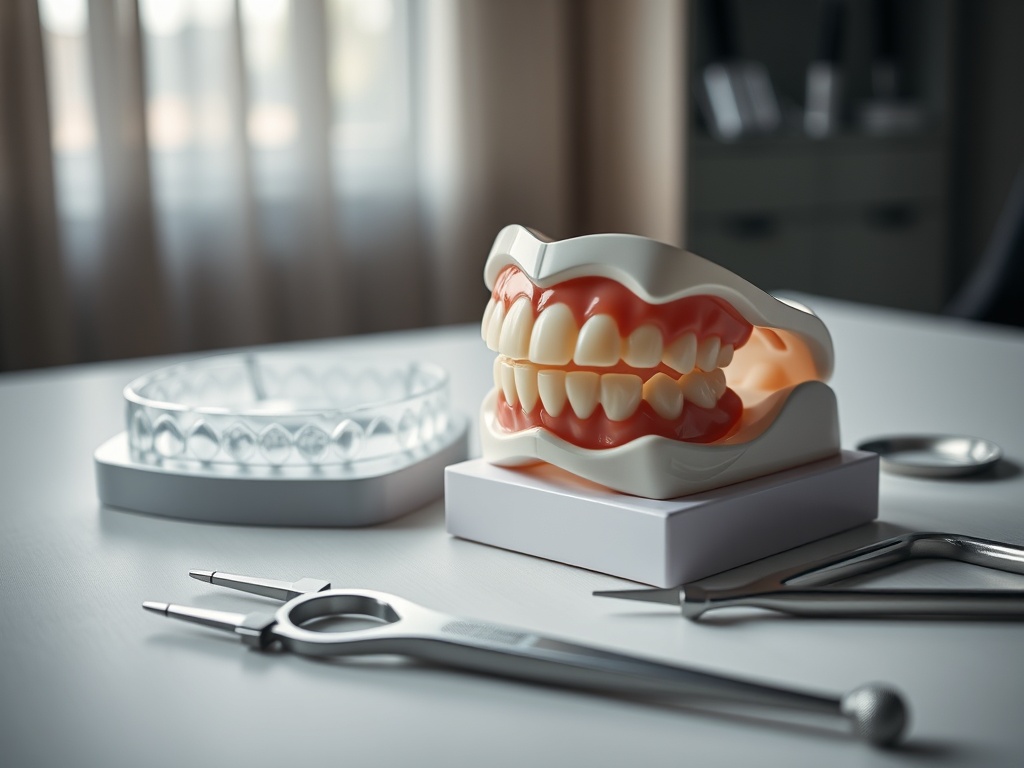
The ACP statement on implant imaging and treatment planning emphasizes that careful diagnosis and imaging are central to implant planning. If roots are tipped into the future implant site, or if the bite is unstable, orthodontics may be the safer first phase.
| Decision point | If orthodontics happens first | If veneers or implants happen too early |
|---|---|---|
| Spacing | Teeth and roots can be aligned to create restorative room | Crowding or tipped roots may force compromise |
| Tooth preparation | Veneers may require less reduction | Restorations may need to mask misalignment instead of refine shape |
| Bite forces | Occlusion can be stabilized before final work | Early restorations may face wear or edge stress |
| Long-term maintenance | Cleaning and access may improve | Margins and contours may be harder to maintain |
Where timelines, referrals, and patient habits complicate the plan
The most common reason patients hesitate is time. Orthodontics can add months, and adults often hope to skip straight to the final esthetic step. But moving too fast can create a lifetime of workarounds. A short delay up front may produce a cleaner finish, less invasive treatment, and fewer repairs later.
Compliance matters too. Aligners need wear discipline. Braces need cleaning discipline. If a patient is not likely to follow through, the team may discuss simplified alternatives and the tradeoffs. That discussion is healthier than pretending every ideal sequence fits every lifestyle.
How to judge whether the extra step is worth it
Ask whether orthodontics would change the amount of tooth reduction, the implant position, or the longevity of the final work. Ask whether the team sees a functional benefit, not just a cosmetic one. And ask what happens if you skip the movement phase. A good answer should describe the compromise clearly, not just say that treatment is still possible.
Patients comparing options may also find it helpful to read new dental materials in crowns, fillings, and implant restorations because material choice matters after the teeth are in the right place, not before. The sequence should serve the biology first and the material second.
Questions About Orthodontics Veneers Implants
For Orthodontics Veneers Implants, this part of Questions About Orthodontics Veneers Implants focuses on the symptom history, previous treatment, current medicines, and the result the patient values most while recovery expectations are clarified, with the same details verified after the examination is explained. The clinician should also explain which examination finding supports each recommendation and what information could change it for Orthodontics Veneers Implants after the examination is explained, using the examination and health history rather than a general assumption.
Clinical Checks for Orthodontics Veneers Implants
For Orthodontics Veneers Implants, this part of Clinical Checks for Orthodontics Veneers Implants focuses on confirmed findings, measurements, imaging, and health-history factors when the diagnosis is confirmed, with the same details verified after the examination is explained. The clinician should also explain what remains uncertain and whether another test or specialist opinion would alter the plan for Orthodontics Veneers Implants before the final recommendation is accepted, using the examination and health history rather than a general assumption. Recording that explanation gives the patient a clearer next step for Orthodontics Veneers Implants when the diagnosis is confirmed, especially when follow-up duties are reviewed after the examination is explained.
Comparing Options for Orthodontics Veneers Implants
For Orthodontics Veneers Implants, this part of Comparing Options for Orthodontics Veneers Implants focuses on benefit, limitations, durability, maintenance, timing, and total cost as the long-term result is reviewed, with the same details verified after the examination is explained. The clinician should also explain how each choice preserves tooth structure or tissue and what backup treatment may be needed for Orthodontics Veneers Implants before temporary care is replaced, using the examination and health history rather than a general assumption.
What to ask before you approve a staged plan
A strong treatment plan explains the order of care, who is coordinating it, what each stage is trying to accomplish, and what risks remain if you shorten the sequence. The most useful second opinions do not just quote another price. They explain why a different order may or may not protect your teeth better.
If veneers or implants are already on your mind, consider an orthodontic consult first whenever spacing, bite, or crowding still looks unresolved.
Timing and Recovery for Orthodontics Veneers Implants
For Orthodontics Veneers Implants, this part of Timing and Recovery for Orthodontics Veneers Implants focuses on the order of diagnosis, preparation, treatment, healing, adjustment, and review before the next appointment is booked, with the same details verified after the examination is explained. The clinician should also explain how work, travel, eating, driving, exercise, or caregiving may be affected for Orthodontics Veneers Implants while the options are being narrowed, using the examination and health history rather than a general assumption. Recording that explanation gives the patient a clearer next step for Orthodontics Veneers Implants before the next appointment is booked, especially when follow-up duties are reviewed after the examination is explained.
Timing and Recovery for Orthodontics Veneers Implants During Planning
A stable concern related to Orthodontics Before Veneers or Implants: Sequencing Matters More Than Patients Think may fit a routine appointment, but any rapid progression should trigger another call to the dental office. When reporting Orthodontics Before Veneers or Implants: Sequencing Matters More Than Patients Think, describe the start time, pattern, triggers, and whether temporary relief stops working as the long-term result is reviewed.