New Dental Materials in Crowns, Fillings, and Implant Restorations
When patients hear about 'new dental materials,' they are usually hearing about a mix of newer manufacturing methods, broader use of ceramics and composites, and more selective use of older standards such as amalgam and metal-based restorations. The smarter question is not which material is newest, but which material fits the tooth, bite forces, esthetic goals, repairability, and budget.
Material-choice essentials
- There is no universally best material for every crown, filling, or implant restoration.
- Today's choices are shaped by material science, digital workflows, esthetic expectations, regulatory scrutiny, and the clinical demands of each tooth.
- Newer does not always mean stronger in your case, and older does not always mean outdated.
- Ask how a proposed material behaves under load, how it is repaired, how it looks over time, and what tradeoffs come with the choice.
What dentists usually mean by a 'newer' material
The NIDCR dental materials overview describes a broad landscape that includes preventive materials, direct restorative materials, ceramics, composites, cements, and implant-related materials. In daily practice, patients most often hear about newer ceramics for crowns, improved composite resins for fillings, and digital design-and-milling workflows that shape indirect restorations more precisely.
That does not mean everything old has been replaced. It means the menu is wider, and dentists are matching materials to case demands more deliberately than before.
Why patients see more tooth-colored and digitally made options
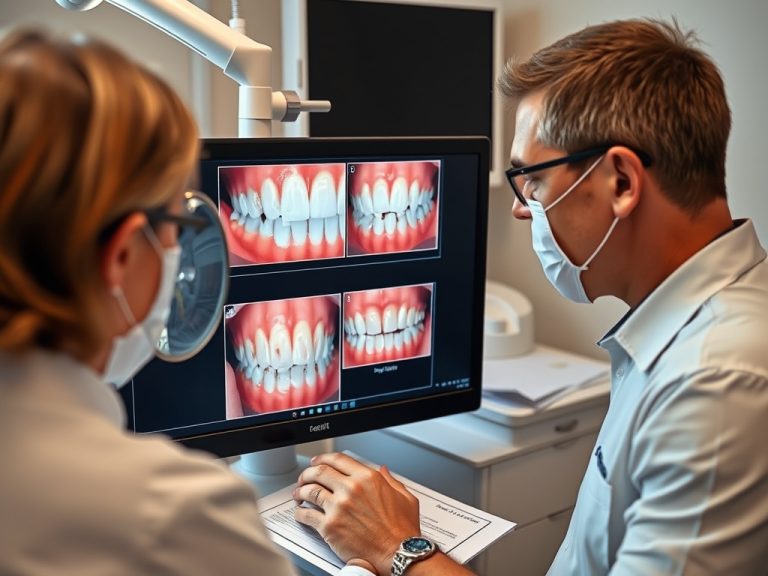
Esthetics are part of the story, but workflow is part of it too. Digital scans, milling, and lab manufacturing have made it easier to produce custom restorations with repeatable detail. In some cases that can improve fit, reduce remakes, or simplify communication between clinic and lab.
Patients also ask more often for restorations that blend with enamel. As a result, composite resins and ceramic options get more attention than they did years ago. The FDA treatment options for dental caries page outlines common filling choices such as composite resin and glass ionomer, each with its own advantages and limits. Patients chasing a brighter smile before choosing a visible restoration may also want context from how long teeth whitening lasts and what makes it fade faster.
What is changing, and what remains standard for good reasons
Some materials gain popularity because they are more esthetic, easier to bond, or better suited to digital workflows. Others remain standard because they perform well under moisture, heavy load, or difficult isolation. This is why newer is not always better for a deep posterior filling, a heavily loaded molar crown, or a high-caries-risk patient.
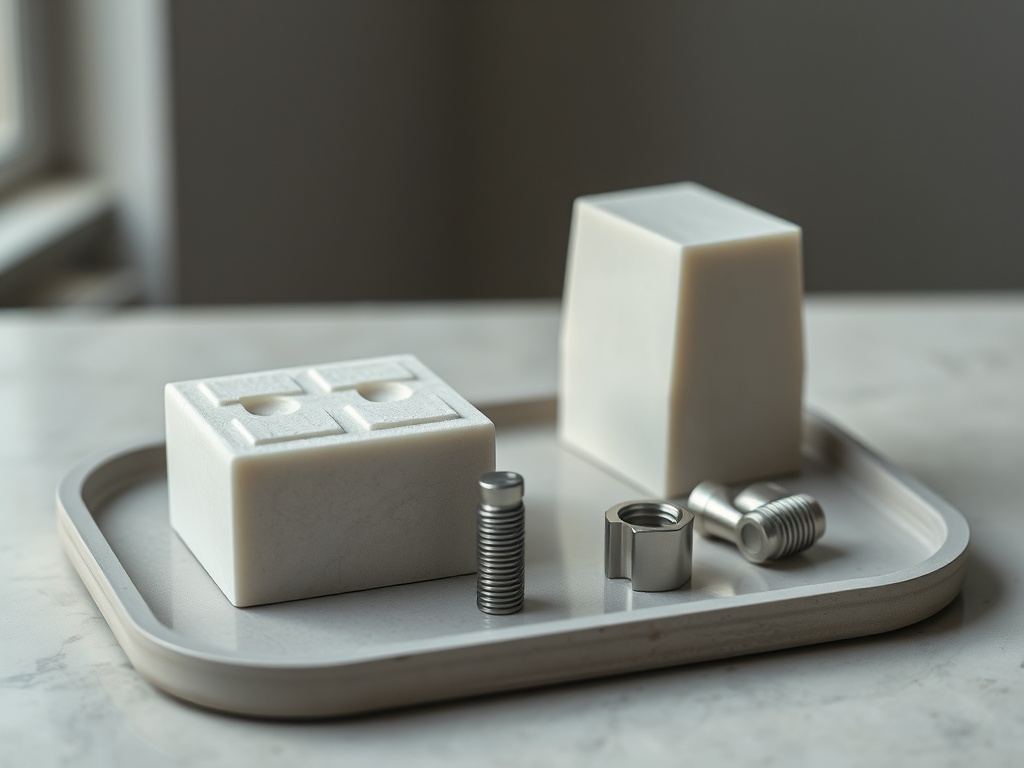
The FDA dental amalgam information is a useful reminder that material selection still involves risk-benefit thinking, not trends alone. The FDA notes that alternatives such as composite resins and glass ionomers are widely used, but durability, case location, moisture control, patient factors, and sensitivity considerations all still matter.
| Area of care | What is changing | What patients should ask |
|---|---|---|
| Fillings | More use of tooth-colored materials and selective bioactive or glass-ionomer options | How durable is this choice in this location and can it be repaired later? |
| Crowns | Greater use of ceramics and digitally milled restorations | Is the goal strength, esthetics, conservation of tooth structure, or a balance of all three? |
| Implant restorations | Refinement in component materials and digital planning | How does the restorative material fit my bite, hygiene demands, and long-term maintenance? |
How material choice affects access, timing, and maintenance
Material selection affects more than appearance. It can change lab time, number of visits, repair options, wear on opposing teeth, and how sensitive technique is during placement. That is part of why patients comparing complex treatment may also end up reading orthodontics before veneers or implants: sequencing matters more than patients think. The material only performs as well as the case design around it.
Access matters too. Some high-esthetic solutions require more lab work or more exacting conditions. A practical material that is less glamorous on paper may still be the better choice if it fits the tooth, the budget, and the maintenance reality.
A patient-centered way to judge a recommendation
Instead of asking for the newest material, ask for the reasoning. Why this material for this tooth? What are its main tradeoffs? How repairable is it? Does your bite make chipping or wear a concern? Will you notice the difference visually, or mainly in durability and workflow?
The best material discussion is a decision conversation, not a sales pitch. It should explain what is changing in dentistry, what is still standard, and why your own case may not match the headline trend.
Questions About New Dental Materials Crowns Fillings Implant Restorations
For New Dental Materials Crowns Fillings Implant Restorations, this part of Questions About New Dental Materials Crowns Fillings Implant Restorations focuses on the symptom history, previous treatment, current medicines, and the result the patient values most after the examination is explained, with the same details verified when a second opinion is considered. The clinician should also explain which examination finding supports each recommendation and what information could change it for New Dental Materials Crowns Fillings Implant Restorations while risks and alternatives are compared, using the examination and health history rather than a general assumption. Recording that explanation gives the patient a clearer next step for New Dental Materials Crowns Fillings Implant Restorations after the examination is explained, especially when follow-up duties are reviewed when a second opinion is considered.
Clinical Checks for New Dental Materials Crowns Fillings Implant Restorations
When evaluating New Dental Materials in Crowns, Fillings, and Implant Restorations, the dentist should explain how medical history, previous treatment, bite forces, and tissue health affect the recommendation. Before accepting a plan for New Dental Materials in Crowns, Fillings, and Implant Restorations, request a plain-language explanation of what would make the diagnosis or treatment sequence change when a second opinion is considered. A sound decision about New Dental Materials in Crowns, Fillings, and Implant Restorations begins with the findings that can be seen, measured, photographed, or confirmed on dental imaging.
Comparing Options for New Dental Materials Crowns Fillings Implant Restorations
Before choosing a path for New Dental Materials in Crowns, Fillings, and Implant Restorations, identify which trade-off matters least and which clinical risk matters most when home-care instructions are prepared. When comparing approaches to New Dental Materials in Crowns, Fillings, and Implant Restorations, use the same criteria for every option: expected benefit, limitations, durability, maintenance, timing, and total cost.
Questions that keep the choice grounded
A grounded material discussion sounds specific: the dentist talks about load, isolation, esthetics, remaining tooth structure, and maintenance rather than saying one material is simply modern and another is old. That is usually a sign the recommendation is being made for your mouth rather than for marketing value.
If a proposed restoration is being framed mainly as 'the newest thing,' ask one more question: what makes it the right thing for this tooth?
Key Takeaways for New Dental Materials Crowns Fillings Implant Restorations
A clear explanation of New Dental Materials in Crowns, Fillings, and Implant Restorations should cover reasonable alternatives, limitations, timing, cost, and what happens if the first plan falls short. When deciding about New Dental Materials in Crowns, Fillings, and Implant Restorations, leave with a written sequence and a specific point at which the plan will be reviewed again as the long-term result is reviewed. The practical lesson from New Dental Materials in Crowns, Fillings, and Implant Restorations is to connect each recommendation to the diagnosis, personal goal, and maintenance burden.
Timing and Recovery for New Dental Materials Crowns Fillings Implant Restorations
Planning New Dental Materials in Crowns, Fillings, and Implant Restorations also means discussing effects on work, school, travel, eating, driving, exercise, and caregiving responsibilities. Before scheduling New Dental Materials in Crowns, Fillings, and Implant Restorations, ask how delays, missed visits, or slower healing could change comfort, cost, and the final result while the options are being narrowed. The timeline for New Dental Materials in Crowns, Fillings, and Implant Restorations should include diagnosis, preparation, treatment, healing, adjustment, and maintenance rather than only the main appointment.