How Long Does Teeth Whitening Last—and What Makes It Fade Faster?
Teeth whitening can last for months or longer, but it does not last forever because enamel keeps meeting stain sources and natural color changes continue over time. How long a brighter result stays visible depends on the starting shade, the whitening method, diet, tobacco exposure, grinding, and whether the tooth darkening is the kind bleach can actually change.
Bright-smile essentials
- Whitening usually fades faster when coffee, tea, red wine, tobacco, or frequent dark-colored foods are part of daily life.
- Surface stains and yellowing often respond better than gray discoloration, trauma-related darkening, or color differences in crowns and fillings.
- Sensitivity can happen, but it is often temporary. Overuse and repeated unsupervised whitening can irritate teeth and gums.
- If one tooth is much darker than the others, or if color changed after trauma, get an exam before trying to whiten.
How long does whitening usually look noticeable
Patients often ask for a single timeline, but whitening is not like a haircut that grows out at a predictable rate. A bright result may stay noticeable longer in someone who has low staining exposure, good plaque control, and realistic expectations. It can fade faster in someone who sips staining drinks all day, smokes, or needs repeated touch-ups because the starting discoloration was more stubborn.
The ADA teeth whitening guide explains that whitening works by bleaching certain stains within enamel and dentin. That means the result depends not just on the product, but also on the type of discoloration you are trying to change.
What makes a brighter shade fade faster
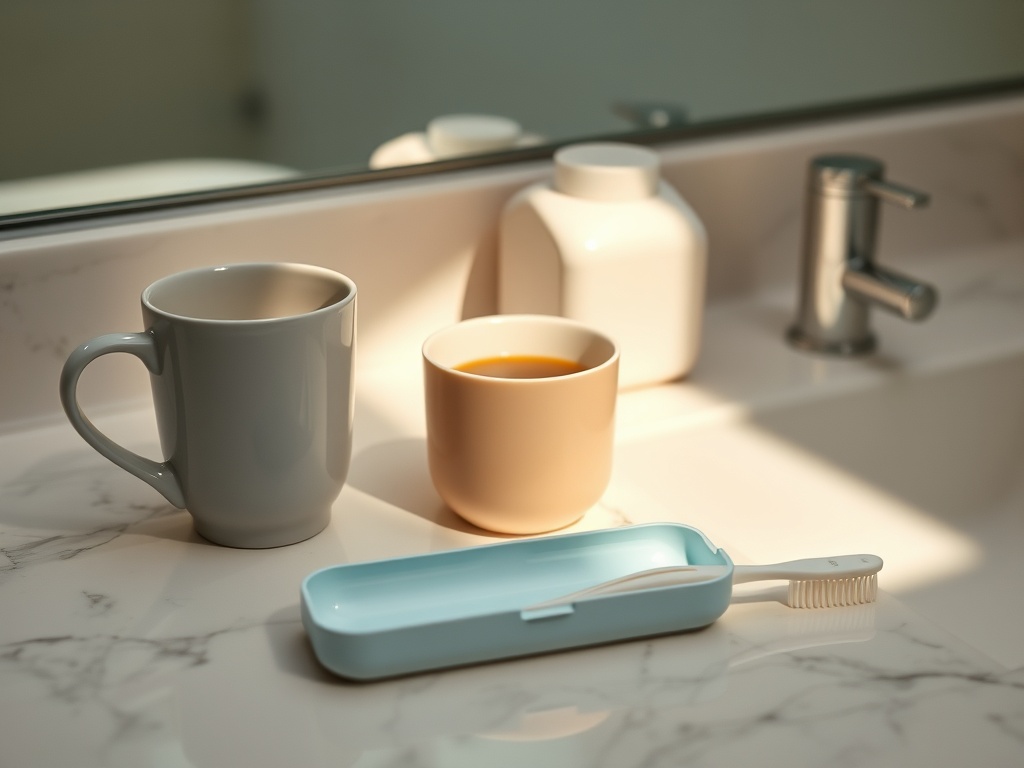
The biggest fade factors are usually simple and cumulative: frequent coffee, tea, red wine, tobacco, pigmented sauces, and inconsistent plaque removal. Stains do not have to be dramatic to add up. A little exposure repeated many times can dull the result faster than patients expect.
Grinding can matter too. If you clench or grind, the teeth may pick up wear and sensitivity patterns that make the smile look less even over time, even if the color is still lighter than before. That is one reason cosmetic upkeep sometimes overlaps with decisions about orthodontics before veneers or implants or wear management rather than repeat bleaching alone.
The ADA natural teeth whitening advice also warns against chasing internet fixes that promise white teeth without evidence. Everyday habits still matter more than most hacks.
- Frequent sipping of staining drinks instead of having them with a meal
- Smoking or other tobacco exposure
- Skipping routine cleanings when surface stain is building up
- Using whitening too often instead of addressing plaque, wear, or diet patterns
Why some teeth whiten well and others barely change
Whitening does not work equally on every kind of discoloration. The ADA notes that yellow teeth often respond better than brown or gray tones, and whitening does not change the shade of crowns, veneers, or tooth-colored fillings. So a patient may improve the natural enamel while old restorations stay exactly the same color.
That distinction matters if your smile already includes bonding, veneers, or implant crowns. In those cases, whitening may still help, but sometimes the better long-term plan is sequencing: brighten first, then decide whether any visible restoration needs to be updated so the shades match. If shade mismatch becomes part of the discussion, new dental materials in crowns, fillings, and implant restorations explains why restorations do not all behave the same cosmetically.
Common safety questions patients ask
Sensitivity is the most common short-term downside. It is often manageable and temporary, but it can be worse if teeth already have recession, cracks, heavy wear, or recent dental work. Gum irritation is also possible if bleaching material contacts the soft tissue too long.
That is why an exam matters before stronger whitening, especially for people with exposed roots, untreated decay, or one tooth that looks distinctly darker than the rest. Whitening a problem tooth may delay the diagnosis you actually need.
Planning Notes for Long Teeth Whitening Last Makes Fade Faster
It is reasonable to watch and wait if your teeth simply look a little less bright over time and you have no pain, no single dark tooth, and no new sensitivity. Book care sooner if a tooth changed color after trauma, one tooth is turning darker than its neighbors, whitening causes sharp or lingering sensitivity, or you suspect decay or gum recession underneath the color problem.
If your teeth are getting dull again, a dentist can help you sort out whether the best next step is a cleaning, a touch-up, a different product, or a more complete cosmetic plan.
Questions About Long Teeth Whitening Last Makes Fade Faster
For Long Teeth Whitening Last Makes Fade Faster, this part of Questions About Long Teeth Whitening Last Makes Fade Faster focuses on the symptom history, previous treatment, current medicines, and the result the patient values most after the examination is explained, with the same details verified after the examination is explained. The clinician should also explain which examination finding supports each recommendation and what information could change it for Long Teeth Whitening Last Makes Fade Faster while risks and alternatives are compared, using the examination and health history rather than a general assumption.
Clinical Checks for Long Teeth Whitening Last Makes Fade Faster
For Long Teeth Whitening Last Makes Fade Faster, this part of Clinical Checks for Long Teeth Whitening Last Makes Fade Faster focuses on confirmed findings, measurements, imaging, and health-history factors when a second opinion is considered, with the same details verified after the examination is explained. The clinician should also explain what remains uncertain and whether another test or specialist opinion would alter the plan for Long Teeth Whitening Last Makes Fade Faster when the follow-up plan is written, using the examination and health history rather than a general assumption.
Comparing Options for Long Teeth Whitening Last Makes Fade Faster
A useful comparison of How Long Does Teeth Whitening Last—and What Makes It Fade Faster should also explain what happens if the first choice does not heal, fit, or function as expected. Before choosing a path for How Long Does Teeth Whitening Last—and What Makes It Fade Faster, identify which trade-off matters least and which clinical risk matters most as the treatment sequence is documented.
How to make whitening last longer without overdoing it
The best maintenance plan is usually boring in the best way: steady hygiene, fewer staining exposures spread across the day, and touch-ups only when your dentist thinks they fit your teeth. Chasing constant brightening often backfires because it ignores the reason the shade changed in the first place.
If you are thinking about whitening again, book a quick check first if you have old restorations, new sensitivity, or a single tooth that looks different from the rest.
Timing and Recovery for Long Teeth Whitening Last Makes Fade Faster
For Long Teeth Whitening Last Makes Fade Faster, this part of Timing and Recovery for Long Teeth Whitening Last Makes Fade focuses on the order of diagnosis, preparation, treatment, healing, adjustment, and review before temporary care is replaced, with the same details verified after the examination is explained. The clinician should also explain how work, travel, eating, driving, exercise, or caregiving may be affected for Long Teeth Whitening Last Makes Fade Faster as the treatment sequence is documented, using the examination and health history rather than a general assumption. Recording that explanation gives the patient a clearer next step for Long Teeth Whitening Last Makes Fade Faster before temporary care is replaced, especially when follow-up duties are reviewed after the examination is explained.