Net-zero building goals change both construction and maintenance because the building has to perform as an integrated system after occupancy. Design intent, envelope quality, commissioning, controls, metering, occupant behavior, and ongoing operations all shape whether the target remains realistic.
TL;DR: Evaluate net zero building operations through condition, consequence, documentation, and maintainability. The useful answer is rarely one product or one inspection; it is a risk-ranked process that shows what to monitor, repair, replace, or redesign.
Net-zero operations decision
This best practices is written for a intermediate reader at the middle of funnel stage. It focuses on the practical decision behind net zero building operations: how to understand the issue clearly enough to plan the next responsible step without drifting into a full design manual or vendor comparison.
Clarify what “net-zero” means for the project
Teams should define whether the target is zero energy, zero carbon, net-zero operational emissions, or another framework. DOE describes zero energy buildings as highly efficient buildings that can produce enough renewable energy to meet or exceed operating needs. The chosen definition affects design, procurement, commissioning, and reporting. For a related planning angle, see How to evaluate aging electrical infrastructure before failure occurs.
Construction quality matters more when loads are low
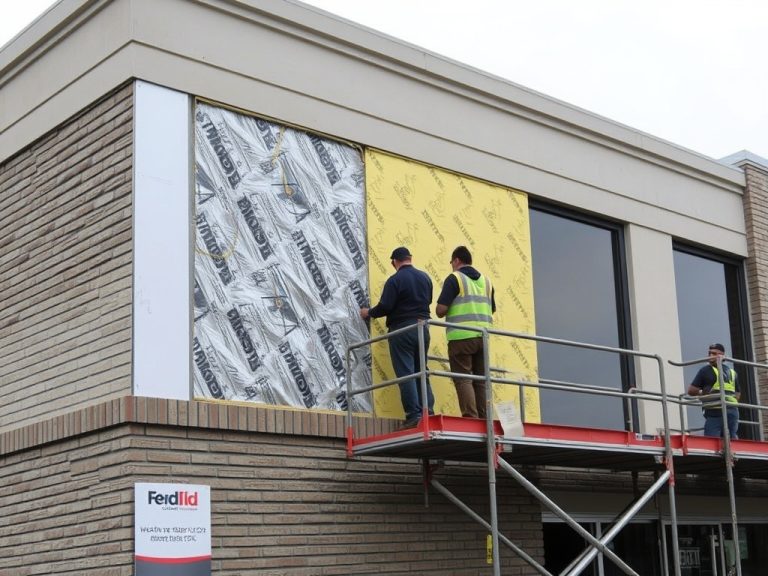
In high-performance buildings, small defects can have larger proportional effects. Air leaks, insulation gaps, thermal bridges, poor sensor placement, and control errors can undermine targets. Quality assurance should include mockups, envelope testing where applicable, detailed commissioning, and clear turnover documentation.
Maintenance becomes performance stewardship
Traditional maintenance often focuses on keeping equipment running. Net-zero operations require keeping systems running as intended. That means trend review, sensor calibration, schedule tuning, filter discipline, ventilation verification, and attention to occupant complaints that may indicate control drift. For a technical reference point, review DOE Zero Energy Buildings.
Metering and data need ownership
Submetering, dashboards, and building automation data are useful only when someone is responsible for review. Assign ownership for energy data, alarms, analytics, and corrective actions. The GSA high-performance building resources are helpful for understanding how federal facility guidance connects energy goals to operations.
Plan for renewable systems as maintainable assets
Solar arrays, inverters, batteries, heat pumps, and energy-recovery systems require access, cleaning strategy, monitoring, safety procedures, and replacement planning. Maintenance teams should be involved before equipment locations are finalized. Teams connecting this decision to wider facility goals may also find Why permit-to-work systems matter in industrial maintenance useful.

Train occupants and operators together
Occupants affect plug loads, schedules, comfort overrides, blinds, doors, and after-hours use. Operators need authority to tune systems without fighting unclear expectations. Communication helps prevent a building from drifting away from its target because people do not understand how it is meant to operate.
Performance mistakes that erode net-zero goals
The most common mistake is treating net zero building operations as a single trade issue. In practice, the decision usually crosses drawings, field conditions, access, owner expectations, safety controls, and maintenance capacity. Another mistake is starting with a preferred product or method before the team has agreed on the risk being solved. That can lead to tidy-looking work that misses the real failure path. A better approach is to define the problem, confirm the evidence, identify who owns each decision, and record the assumptions that could change once work begins. Safety and compliance decisions should also be checked against GSA High Performance where relevant.
Teams should also avoid hiding uncertainty. If a condition cannot be verified without opening an assembly, shutting down equipment, or testing a system, say so clearly. Good planning separates what is known, what is assumed, what must be verified, and what can wait. That simple discipline protects budgets, schedules, and relationships because it makes later decisions feel less like surprises and more like planned checkpoints.
Operating records that protect design intent
Documentation is where net zero building operations turns from a one-time article topic into a repeatable facility practice. Keep photos, inspection notes, approved details, test results, change records, and owner decisions in a location future teams can find. The record should explain not just what was done, but why that path was chosen and what conditions would trigger review. For construction work, this may include submittals, mockup approvals, concealed-condition photos, and punch-list notes. For maintenance work, it may include readings, trend history, work orders, and operator feedback. A neighboring maintenance perspective is covered in How augmented reality can support installation and maintenance training.
A practical record is short enough to use but clear enough to survive staff turnover. It should name the responsible role, the inspection or review frequency, and any limits of the recommendation. That level of clarity reduces repeated troubleshooting, prevents the same debate from restarting every year, and gives decision-makers a fair basis for future capital planning.
For quality control, schedule at least one review point before work is hidden or the team moves to the next phase. That review does not need to be elaborate, but it should confirm that the decision still matches field reality. When the record, the field condition, and the approved path agree, the work is easier to defend and easier to maintain.
Net-zero building comparison table
| Question | Why it matters | Practical next move |
|---|---|---|
| What is the failure consequence? | High-consequence systems need stronger documentation and controls. | Rank by safety, downtime, compliance, and cost of disruption. |
| What evidence is already available? | Existing data may reduce guesswork and unnecessary site disruption. | Review logs, photos, drawings, inspections, and operator complaints. |
| What work requires professional review? | Some decisions touch code, safety, engineering, or warranty obligations. | Escalate to qualified professionals before field changes are made. |
Net-zero operations checklist
- Define the net-zero framework and measurement boundary early.
- Commission envelope, controls, ventilation, and renewable systems carefully.
- Assign ownership for energy data and trend review.
- Give maintenance teams access to design intent and system sequences.
- Review performance after occupancy and tune based on evidence.
Keeping performance aligned after occupancy
The strongest maintenance and construction decisions are documented, proportional to risk, and reviewed after real field feedback. Use the checklist above to start a focused conversation with the project team, maintenance lead, safety representative, or qualified consultant before committing budget or scheduling disruptive work.
General disclaimer: This article is for informational and educational purposes only. It is not professional engineering, legal, compliance, safety, or project-management advice. Always follow applicable codes, standards, manufacturer instructions, site procedures, and the direction of qualified professionals for your specific project.